Skip to content
Accounting
Audit
Planning & Analysis
Process Solutions
Operations


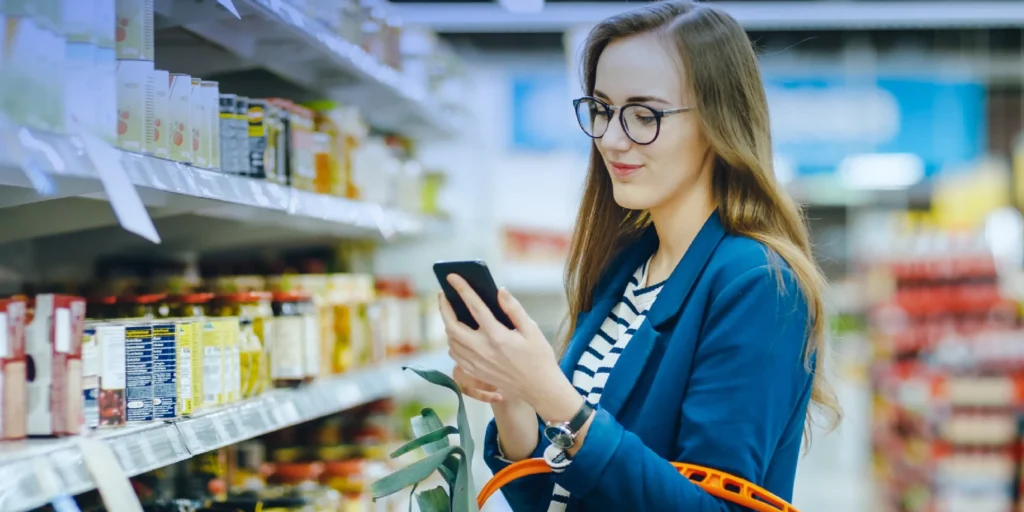
Why do some CPG brands take up and dominate shelves and screens, and others just fade away, yet their products may be almost the same?
The solution is much deeper than product quality- it is in the extent to which a brand is well aware of the shifting consumer behavior and how fast it can adapt to the market indicators.
Recent consumer studies indicate that brand relevance and values affect repeat-purchase rates by more than 70%, and that more than 60% switch brands when messaging seems out of date or irrelevant.
This change is why giants of the industry, such as Procter & Gamble, remain ahead of others in the US CPG environment. They have not just succeeded by chance.
It is fueled by an obsessive consumer psychology, channel awareness, and evidence-based marketing approaches that find the customers where they already are: online, mobile-first, and comparison-driven. Loyalty is not an assumption in a market where people can change brands with a simple click, but rather an aspect that needs to be upheld.
The CPG industry is changing swiftly. The rising costs, competition from own-label, and heightened sensitivity to prices have reshaped purchasing choices. Research shows that almost 43% of consumers research products online before purchase, including daily household necessities.
Conventional advertising will no longer have the same effect, as people become less convinced by the brand’s unidirectional communication and rely more on reviews, social evidence, and digital communication.
CPG brands need to be more than just surface-level visible to be competitive; they have to be relevant. This involves an increase in digital media, enhanced web access, and the development of cross-platform consumer experiences. Brands that do not respond to these changes are in danger of being ousted, not because their products are inferior, but because the message they convey is no longer relevant.
It is no longer optional to understand and respond to the existing trends in the CPG industry. It is a business requirement to develop brand equity, shelf dominance, and emotional connections that convert into long-term loyalty. The brands that do not fail are those that pay close attention, can quickly change, and always stay in tandem with their users.
Build a strong brand presence that your customers cannot miss. Give your customers what they really want from you so they keep coming back. How? By staying in tune with these top 7 CPG marketing trends:
Most customers stop buying from a brand not because of its product prices but because of an unsatisfying experience. This can include difficulty finding the required goods, a lack of a refund policy, displaying expired products, and unfriendly staff.
Today, customers prefer convenience rather than a reputable brand name. If you make the purchasing process easier for them, they are likely to become repeat customers. The purchasing process should be fast, easier, and reliable, offering a refund policy if the items fall below standard.
Many CPG firms have already taken this initiative to acquire new customers and convert current customers into repeat customers. The increasing reliance on digital channels such as social media makes it easier for consumers to find a reliable brand for their CPG needs.
Ensure your CPG website is up to date and easily accessible to your customers. Stay updated on industry trends and continue promoting your brand on social media to increase engagement with your customers.
Further, as social channels like Instagram grow in popularity, influencer marketing can help CPG firms attract new customers and build trust with existing ones. Investing in a social media influencer in the same industry as your brand can help you reach new customers who might be looking for the personalized services you offer.
CPG brands are using data analytics to personalize product recommendations and experiences based on customers’ behaviors. This can help build customer relationships and stock products that are tailored to your audience’s specific preferences.
A real-life success story is Oreo’s “Dunk in the Dark.” Oreo’s marketing team was fast enough to capitalize on a power outage during the 2013 Super Bowl when they swiftly tweeted, “Power out? No problem. You can still dunk in the dark.” Oreo, an American sandwich brand known for its Oreo cookies, gained considerable engagement and attracted a new audience after the tweet.
Similarly, CPG firms today should be on the lookout for industry-related trends and engage in fruitful discussions to promote their brand presence.
With pollution on the rise, the sales of self-care products have significantly increased. More and more people are buying skin care products to better care for their skin. Further, plant-based products are also in demand these days.
Most people go green to save the environment and improve their health by eating greens. Stocking plant-based, nutrient-rich products can be a decisive step for CPG firms toward boosting their brand presence.
With changing consumer behaviors, CPG brands are also adapting to new business models that include faster response times, data transparency, and accessibility. Furthermore, CPG firms can analyze consumer behavior to improve their services and better serve their customers. Thus, hiring a data analyst or outsourcing one who can help you study your target audience is recommended.
As online shopping continues to grow, consumers rely heavily on online payment methods. Ensure your CPG firm offers credit card payments, PayPal, Cash on Delivery (COD), and Buy Now, Pay Later (BNPL) services.
There have been innovations in packaging solutions, including smart packaging that offers interactive features, longer expiration dates, and aesthetically pleasing product designs for consumers.
Moreover, some consumers prefer locally sourced organic products. It is suggested that CPG firms also partner with local communities. Further, engaging with local communities by participating in community events and supporting local initiatives can help you build a positive brand image in the US. This can also increase customer loyalty.
Being transparent about the origin and journey of ingredients can help you build trust with your consumers, especially those who are conscious of what they consume. This can include fitness enthusiasts, vegans, and people who have allergies. This also implies that you follow best practices in product production, such as maintaining cleanliness.
Focused on developing business strategies, CPG owners often don’t have time to handle their accounting. Hiring an outsourced accounting firm can streamline this process and help you stay updated with your finances. Further, you can access expert accounting advice through outsourcing, which can help your firm gain a financial foothold in the CPG industry.
What is the difference between CPG brands that are shelf and screen kings and those that are not able to remain visible? This is not just a difference in product quality, but also the skill to adapt more quickly as consumer expectations change.
Shoppers are becoming more knowledgeable, price-conscious, and pickier than ever. Studies have consistently shown that most consumers will switch to other brands after a single bad experience, and brands that provide relevance, transparency, and convenience have much higher repeat-business rates.
The solution to this competitive environment is for CPG companies to ensure that marketing, operations, and customer experience are aligned with new industry trends to enhance brand presence. The ten trends discussed below are the areas in which high-performing CPG brands are investing their resources to remain relevant, trusted, and profitable.
The current consumer is not loyal to the brand name but to the experience. Convenience of purchase, availability, clarity of return use, and responsiveness of customer care are currently contributing more to repeat purchases than the price itself. CPG brands that eliminate friction on all touchpoints will always perform better than those that depend on brand heritage or advertising.
The consumer is learning more and more about CPG products online and is comparing and deciding on purchases. When brands invest in optimally designed websites, mobile-friendly experiences, and social media engagement, they remain highly visible and highly remembered. Online presence no longer represents the marketing rider, but the main storefront of many buyers.
CPG success has been driven by data-driven personalization. Product suggestions, promotions, and messages can be customized to fit brands that study the buying habits, preferences, and usage behaviors. The customer’s personal relevance enhances emotional value and lifetime customer value.
The health-conscious, clean-label, and self-care products are in growing demand. Consumers are becoming more likely to think of brand credibility with ingredient transparency, nutritional value, and wellness benefits. CPG brands that go responsibly into these categories position themselves as a way of life, not as a commodity seller.
Sustainability has ceased to be a niche issue and is now becoming a commodity requirement for an increasing number of consumers. Purchases and brand loyalty depend on environmentally responsible sourcing, packaging, and logistics. Companies that do not use sustainability as a marketing strategy but as part of their operations develop long-term credibility.
Consumers are interested in knowing the processes of product origin and production. There is enhanced transparency in sourcing, production, and quality control, which improves confidence, especially among health-conscious buyers and ethically minded consumers. Effective communication along supply chains has become a source of competitive advantage.
Shoppers demand smooth experiences across online banking, marketplaces, and physical stores. Brand consistency is enhanced by uniform pricing, supply, and delivery channels. Payment flexibility also minimizes purchase resistance and improves conversion rates.
Packaging has been found to serve two purposes: securing products and conveying brand value. Sustainable, attractive, and functional packaging affects buyers at the shelf or online. Perceived product quality is also elevated by innovations that increase the usability and shelf life.
Brands that resonate with local communities and align with consumer values create greater emotional attachment. Sponsoring local events, sourcing responsibly, and real, face-to-face interactions with audiences make brands human and relationships strong in the long term.
Strong CPG brands secure leadership concentration by outsourcing non-core services, including accounting and finance. This enables the teams within the company to focus on growth, innovation, and customer interactions, as well as on achieving financial precision and compliance with specific partners.
The success of CPG in the current world is based on alignment- alignment between the expectations of consumers, operational implementation, and brand communications. The victorious brands are those that do not treat trends as immediate strategies for long-term decisions.
CPG brands have a lot on their plate, from managing operations to staying current with the latest CPG industry trends. It’s not shocking that up to 85% of new CPG products fail within two years.
Often, it’s the simplest changes that you make in your business that can have the biggest impact.
Expertise Accelerated aims to overcome the challenges in the CPG industry. We streamline the accounting processes of CPG brands so that they can focus on achieving long-term success.
Check out what our clients in the CPG industry have to say about our services here.
Let’s partner to reduce your costs by 60% while ensuring quality! Contact us here for a free consultation.