Skip to content
Accounting
Audit
Planning & Analysis
Process Solutions
Operations



The professional services world is changing fast, and outsourced accounting firms are at the center of it. With tight margins and fewer workers, many firms outsource to grow smarter.
The finance and accounting outsourcing market is set to grow by 9.3% from 2024 to 2030. This shows outsourcing is now viewed as a lasting strategy, not a short-term fix.
Accounting firms face heavy workloads during tax season and year-end deadlines. Offshore staffing helps manage this extra demand efficiently.
Outsourcing audits, bookkeeping, tax, and payroll boosts efficiency and access to skilled professionals. But success requires clear planning, good systems, and a strong grasp of remote work.
This blog covers seasonal work, offshoring, and managing outsourced teams.
Why More CPA Firms Are Outsourcing Accounting Services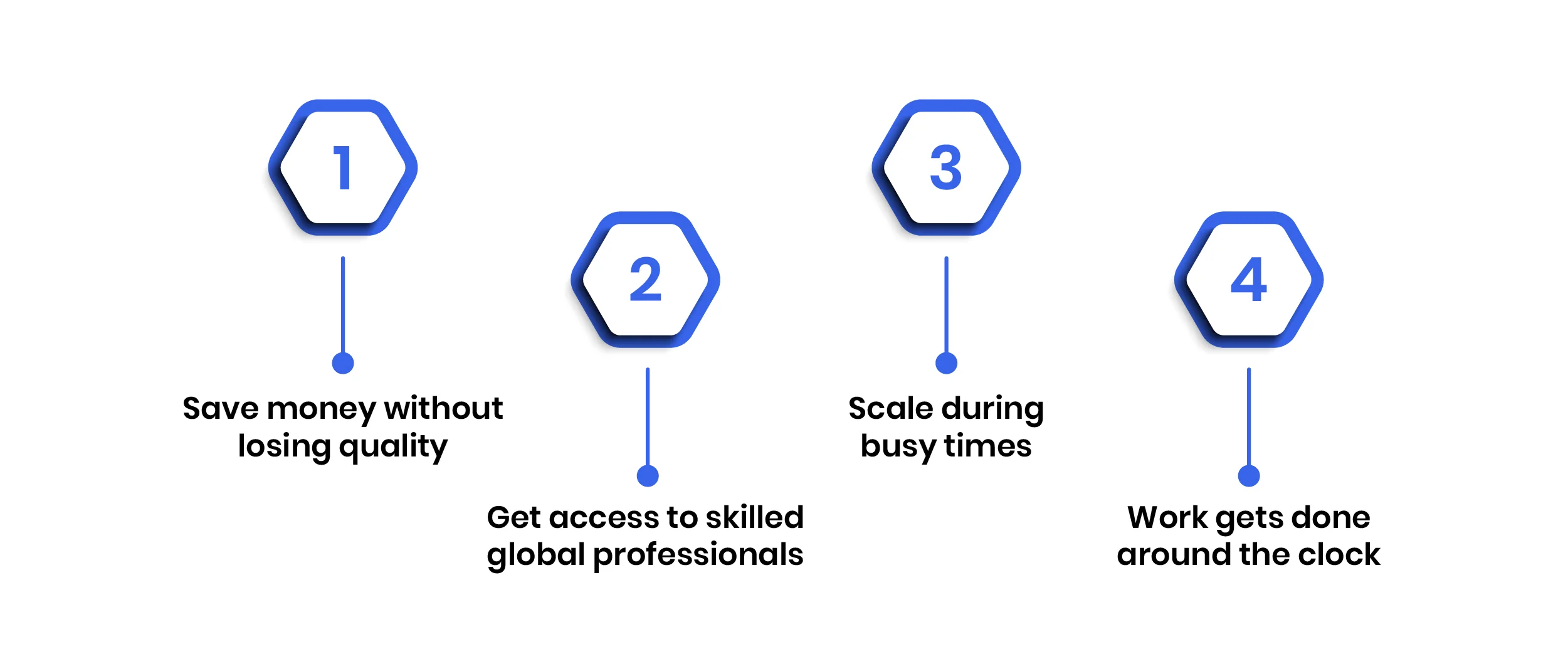 1. Save money without losing quality: Outsourcing can cut costs by 15–30%, especially with experts in India and the Philippines. Savings come from lower wages, less office space, and reduced HR needs without lowering quality.
2. Get access to skilled global professionals: Outsourced teams often know U.S. accounting rules and tools like QuickBooks and NetSuite. Many have CPA-level certifications and experience with U.S. firms.
Want to know tips on When and Why to Outsource eCommerce Accounting? Check out our latest blog.
3. Scale during busy times: Outsourcing eases handling busy seasons like tax time or big audits. Firms can scale teams temporarily instead of hiring full-time.
4. Work gets done around the clock: Different time zones let work continue after local hours. This helps speed up delivery and improves turnaround times for your clients.
Seasonal workload means certain times of the year when accounting work increases sharply. These include:
These busy periods often bring more work than your regular team can handle. That’s why many firms plan and use outsourcing to help carry the load.
According to Forbes, Some businesses are seasonal like pool care in summer and snow removal in winter. When most sales happen in a short period, it’s vital to plan well for the off-season.Compare your sales, inventory, and profit forecasts to actual results to stay on top of trends and profitability. Ensure you have access to enough cash, especially when customers take 60–90 days to pay. Forecast your cash flow, considering the full cycle from sale to payment.
Use slow seasons for professional development and planning. Review your strategy monthly, stay innovative, and watch for new competitors. Get creative with sales and marketing during slow periods. Manage your supply chain and keep inventory moving. Keep operations lean and outsource when needed. Track cash flow and use it to guide spending decisions.
Add new revenue streams to balance the seasons some could be recurring, others off-season. Know your basic expenses and set aside cash for slow periods. If possible, start an ancillary business during off months. Keep updating products and extend your season with early launches and deals. Don’t overestimate peak season sales, and prepare for unexpected challenges. Don’t spend money before you’ve earned it, it could put your business at risk if things go wrong.
According to Harvard, A seasonal business makes most of its money during busy times each year. For instance, Lawn care peaks in summer, snow dumps in winter, and accountants are busiest during tax season.
Common Challenges in Outsourcing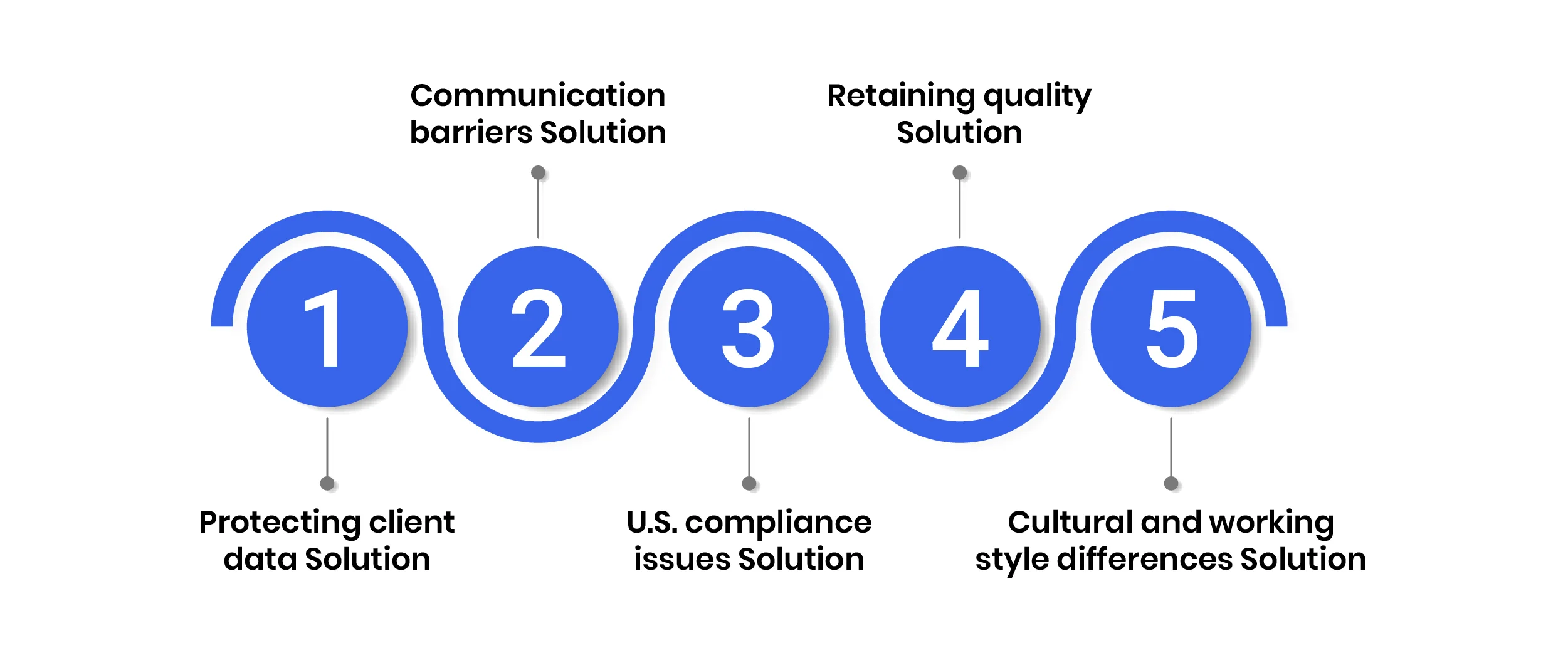 1. Protecting client data Solution: Choose partners with SOC 2 or ISO 27001 security standards. Use encrypted channels, limit data access by role, and need all team members to sign NDAs.
2. Communication barriers Solution: Maintain frequent check-ins, use Slack, and share tasks and deadlines.
3. U.S. compliance issues Solution: Work with teams that understand U.S. tax laws and compliance requirements. Make sure they continue to stay updated on certifications and training.
4. Retaining quality Solution: Create clear SOPs, run quality checks, and store guides in a shared hub.
5. Cultural and working style differences Solution: Offer cultural training to local and offshore teams. Encourage respectful communication and shared team-building experiences to build trust.

Set clear goals and assign tasks with expected results. Track turnaround time (TAT), error rates, and client satisfaction. Use Responsible, Accountable, Consulted, and Informed to handle roles. Use Slack, Zoom, or Asana to communicate daily. Hold monthly reviews to go over performance and priorities. Keep everything organized in a shared system like Notion or Confluence.
Focus on security with MFA, VPNs, and role-based file access. All team members should go through data privacy training every quarter. Provide regular training and assessments every six months to keep skills sharp. Use TalentLMS or Lessonly to manage training and support ongoing learning.
Track work using dashboards, and review results weekly. Set clear SLAs and hold quarterly business reviews to keep performance on track. Build trust by celebrating wins, sharing feedback, and having regular culture check-ins. A trusted team works better and faster. Use Power BI or Tableau to automate clear, easy reports. Give real-time updates and flag issues quickly.
Create flexible contracts to scale your team during busy periods. Review capacity quarterly and structure teams with a mix of roles bookkeepers, payroll pros, AP/AR specialists, etc. Use clear contracts covering confidentiality, data security, IP, and SLAs. Review these agreements once a year to ensure they still meet your firm’s needs.
Outsourced teams that are well-managed deliver accurate work on time, making clients happy and trusting your firm. Keeping a close watch lowers risks like mistakes or data leaks, protecting your firm’s good name. Treating your outsourced team like your own staff helps your business grow strong and ready for the future.
Seasonal spikes strain teams and work quality and offshore staff offer a smart, flexible fix. Outsourcing is not about saving money, it’s a smart choice to help your firm grow. For CPA firms, the key to success is trust, clear communication, and good planning.
What works best:
Treat your outsourced team as partners to boost efficiency, scale faster, and keep clients happy.
Expertise Accelerated offers affordable offshore staffing for accounting firms to handle busy seasons without stress. Need help managing your outsourced team? Visit www.expertiseaccelerated.com to learn more. Contact us today!