 Skip to content




E-commerce is growing fast, and understanding accounting is key to managing finances. Choose the right method, understand taxes, and find the right software. A strong e-commerce platform is essential, along with possible licenses and permits. Understand the difference and ensure your accountant has experience.
Statista states eCommerce sales will increase by twenty-two percent by 2025.
Proper financial records are essential for your eCommerce business. They track performance and aid decisions. If needed, outsource to an expert or use software to manage it yourself. This blog will help you get started!
Understanding eCommerce Accounting

E-commerce accounting tracks all money in and out, including sales, expenses, and taxes. Some unique aspects of e-commerce accounting set it apart. This involves managing small transactions, handling regional taxes, and tracking inventory. E-commerce businesses must manage payments and handle returns. There are three kinds of accounting, Accrual, Cash-based accounting, and hybrid.
E-commerce will grow 10% yearly, reaching 2.6 trillion dollars by 2028, according to Bloomberg. Most of this development will come from online vendors. While Amazon is the head, stores such as Walmart are also extending their online sales. The pandemic increased online shopping and by 2027, eCommerce will produce 1/3 of US retail. Best Buy and Walmart are elevating their online stores with AI and augmented reality to battle with Amazon. eCommerce increases in apparel and electronics, while cars still rely on direct sales. Online shopping is reshaping buying and marketing.
According to Forbes, E-commerce is growing, and businesses must change. Augmented Reality lets clients try products at the house before buying, as seen with Ikea. Blockchain ensures product transparency, building customer trust by tracking origins. Loyalty programs will be more customized, using data and AI to cater to client habits. E-commerce is moving toward sustainability, with an emphasis on green products and packaging. Safety and privacy will become a preference as businesses adjust to stringent rules. Additionally, subscription services will provide tailored options for products and delivery.
To succeed with these trends, ask: Who are our loyal customers? Are we ready to grow? How safe is our data? Are we collecting the right info?
To make it work, use data tools to track customer info, improve security to protect data, and apply AI for customer service and analysis.
Amazon Accounting vs. Ecommerce Accounting
Amazon accounting is for businesses that sell only on Amazon. It tracks fees, sales, and taxes for your Amazon store.
eCommerce accounting is for businesses selling on many platforms, such as websites and markets. It enables tracking all your sales and profits in one place.
Key Tasks in eCommerce Accounting
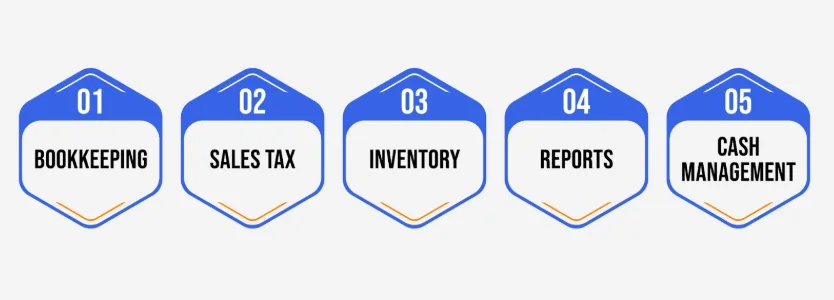
- Bookkeeping:
Track your sales, costs, and refunds. Make sure to match these records with your bank account for consistency.
- Sales Tax:
Calculate taxes based on location and products.
- Inventory:
Track stock levels and costs.
- Reports:
The income statement shows profit, cash flow tracks money, and the balance sheet lists assets and debts.
- Cash Management:
Keep enough cash for expenses and plan for future needs.
Best Ecommerce Accounting Software
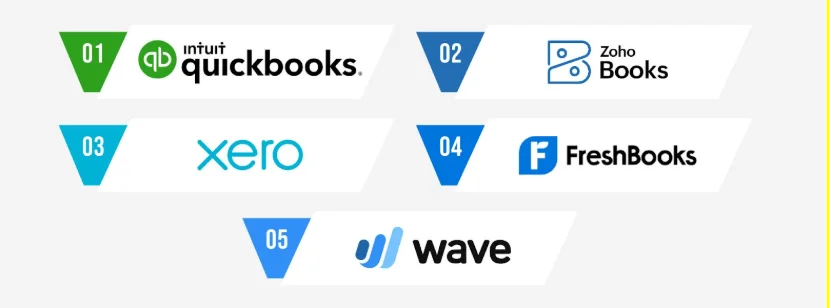
1- QuickBooks Online
QuickBooks tracks sales, expenses, and taxes, integrating with platforms like Shopify and Amazon. It automates bookkeeping, tracks inventory, and is easy to use anywhere, starting at $35/month.
2- Zoho Books
Zoho Books helps small businesses manage expenses, invoices, and inventory. Free for one user, with paid plans from $20/month.
3- Xero
Xero is great for small businesses, tracking inventory and expenses with Shopify and WooCommerce. It automates invoicing and offers amazing information, with programs beginning at $15 per month.
4- FreshBooks
FreshBooks simplifies invoicing with reminders, receipt tracking, and Shopify integration. Programs begin at $10/month.
5- Wave
Wave is a free, accessible, and responsive tool for invoices and expense tracking. Optional paid features are available.
Choosing the Right One
- Features: Look for tools you need, like inventory tracking.
- Integration: Check if it works with your e-commerce store.
- Budget: Pick one that fits your budget.
Tips for Better Cash Flow
- Track your cash inflows and outflows to catch issues early.
- Keep stock under management as it’s a main expenditure concerning cash flow.
- Make short- and long-term cash flow predictions to prepare for forthcoming cash needs.
- Track and cut unnecessary costs to save money and improve financial health.
- Generate cash flow statements to understand your business’s financial position.
- Use accounting software to automate tasks like generating reports and forecasts.
- Match accounts with bank statements to spot errors and ensure accuracy.
- Use cloud-based software to manage finances anywhere, anytime, with mobile app support.
- Cloud accounting lets you manage finances anytime, anywhere, with mobile app support.
Differences Between E-commerce and Traditional Accounting
E-commerce accounting involves regional taxes, high transaction volumes, and complex payment data.
| Traditional Accounting | E-commerce Accounting | |
| 1. Transaction Volume | Fewer transactions, simple to manage | Thousands of transactions need advanced software. |
| 2.Inventory & COGS | Easier inventory tracking. | Complex tracking with returns and shipping. |
| 3.Data & Payments | Standard payment methods. | Diverse methods with unique fees. |
| 4.Fraud Detection | Lower fraud risk. | Higher fraud risk, needs stronger protection. |
| 5.Revenue Recognition | Simple for physical goods. | Complex for digital goods and subscriptions. |
Challenges in E-commerce Accounting
- Sales Tax Compliance
- Inventory Tracking
- Returns and Refunds Management
- Managing Many Currencies
- High Transaction Volume
- Digital Payment Reconciliation
- Fraud Prevention
- Revenue Recognition
- Cost of Goods Sold (COGS)
- Data Management
Sales Channels Impact on Ecommerce Accounting
E-commerce accounting varies by platform. Each platform has unique rules for fees, taxes, and returns, complicating accounting. Here’s a quick look at how different platforms impact accounting:
- Amazon: Offers comprehensive tools for financial tracking but has various fees.
- eBay: Easy to use but involves final value fees.
- Shopify: Intuitive but requires higher-tier plans for professional reporting.
- Etsy: Great for handmade goods, but listing fees can add up.
- Walmart: Lower fees, but the business owner handles most accounting.
- TikTok Shop: Targets a young audience with low profit margins.
Spreadsheets for Ecommerce Accounting
Excel or Google Sheets are often used for compact e-commerce accounting. They are flexible but have limitations like human errors, no automation, and security risks. They may struggle with complex transactions as your business grows.
Challenges with Spreadsheets
- Manual data entry can lead to mistakes.
- Managing high-volume transactions and diverse data types becomes difficult.
- Many tasks still need manual input, which isn’t efficient.
- Spreadsheets lack strong safety features, making them vulnerable to unauthorized access.
- Spreadsheets often don’t integrate well with e-commerce platforms, resulting in failures.
DIY Accounting vs. Ecommerce Accountant
| DIY Accounting | Hiring an Accountant | |
| Cost | Low cost | Higher cost |
| Control | Full control | Less control |
| Learning | Learn over time | Limited learning |
| Flexibility | More flexible | Less flexible |
| Time | Time-consuming | Saves time |
| Risk of Mistakes | Higher risk of errors | Lower risk |
| Tools | Basic tools | Advanced tools |
| Compliance | Hard to stay updated | Ensures compliance |
| Stress | Stressful | Less Stressful |
| Planning | Limited support | Better financial planning |
| Privacy | Full privacy | Data shared with an accountant |
| Reports | Basic reports | Professional reports |
Top E-commerce Platforms in 2025
Here are some popular platforms to consider for your online store:
- Shopify: Easy to set up and manage. Great for all business sizes with tools for payments and marketing.
- WooCommerce: Works with WordPress. It’s simple to set up and manage products, orders, and payments.
- Wix: A website builder with e-commerce features. Easy to customize and set up payments and shipping.
- Squarespace: Build a website and online store with customizable templates and secure checkout.
- Amazon Marketplace: A large marketplace with many customers, but its accounting is unique.
Conclusion
Knowing your company’s finances is essential to making wise decisions. Using accounting software and automation keeps processes accurate and efficient. Reviewing your finances and tracking key metrics will help you stay on top of your business’s health. Spreadsheets work in the beginning, but advanced tools are better as your business grows. E-commerce accounting may seem tough, but with the right approach, it can help your business succeed.

