Skip to content
Accounting
Audit
Planning & Analysis
Process Solutions
Operations


Ensure SOX compliance and strong internal controls with EA’s internal audit support services.
Our team helps design, implement, and monitor effective control frameworks to reduce risk and support compliance.
With EA supporting control and compliance requirements, your organization stays audit-ready.

Our Client Portfolio


Value-driven
Strong internal controls are critical to reliable financial reporting and SOX compliance. Any control failure can expose CEOs and CFOs to significant regulatory and financial risk, making disciplined compliance with SOX 404 essential.
Expertise Accelerated provides experienced SOX and internal controls professionals through its global talent pool. Our experts provide support for design, implementation, and ongoing monitoring.
Let us help you strengthen your internal controls and stay audit-ready.
Sign Up to Improve Compliance
US CPA Management Team
U.S. CPA-led teams delivering accurate, compliant, and reliable financial oversight.

Up to 60% Payroll Savings
Premium accounting services at significantly lower cost

U.S. Eastern Time Availability
Our accounting experts work U.S. Eastern Time, fully aligned with you.

QuickBooks & Xero Experts
Proven expertise in QuickBooks and Xero software.
Best
From startups to mid-sized companies and large enterprises, we deliver reliable, high-quality internal audit support services tailored to every stage of growth.




Specialized Knowledge
Our teams support seamless SOX compliance while strengthening internal control environments.

Retail and wholesale businesses face high transaction volumes and elevated compliance risk. Strong internal controls ensure management and stakeholder reporting accuracy and integrity. EA helps these organizations maintain SOX compliance while improving control consistency and operational scale.
Read More
CPG companies operate within complex processes increasing SOX and control risk. Strong internal controls preserve the integrity of management and stakeholder reporting. EA helps CPG organizations maintain SOX compliance while protecting margins and supporting scalable growth.
Read More
Manufacturing companies operate within complex production environments, increasing SOX and control risk. Strong internal controls preserve the integrity of management and stakeholder reporting. EA helps maintain SOX compliance while strengthening operational discipline and profitability.
Read More
Ecommerce businesses operate at high transaction velocity with complex payment flows, increasing SOX and control risk. Strong internal controls ensure accurate management and stakeholder reporting. EA helps ecommerce organizations maintain SOX compliance by strengthening order to cash, revenue recognition, and vendor controls.
Read More
Restaurant businesses operate with high transaction volume, decentralized operations, and complex POS and cash handling, increasing SOX and control risk. Strong internal controls ensure accurate reporting. EA helps restaurants reduce revenue loss, strengthen POS, cash, and vendor controls, and ensure accurate revenue recognition across locations.
Read More
Restaurant businesses operate with high transaction volumes and decentralized locations, increasing SOX and control risk. Strong internal controls ensure accurate reporting. EA helps ensure accurate revenue recognition, strengthen lease, vendor, and property level controls, and support compliant financial reporting.
Read MoreExpertise in Accounting Software




Don't Just Take Our Word For It
Internal Controls Insights

What if you could spot a shrinking profit margin or growing cash
Read Blog
Hospitality vendor payment management helps hotels, restaurants, and multi-property groups control invoices,
Read Blog
Trade promotion ROI helps CPG finance teams measure sales lift, trade spend
Read Blog
Construction job costing mistakes hide cost overruns, distort project margins, delay cash
Read Blog
Energy cost tracking helps energy companies improve cost visibility, cash flow planning,
Read Blog
Find practical solutions to accounts payable problems in energy companies.
Read Blog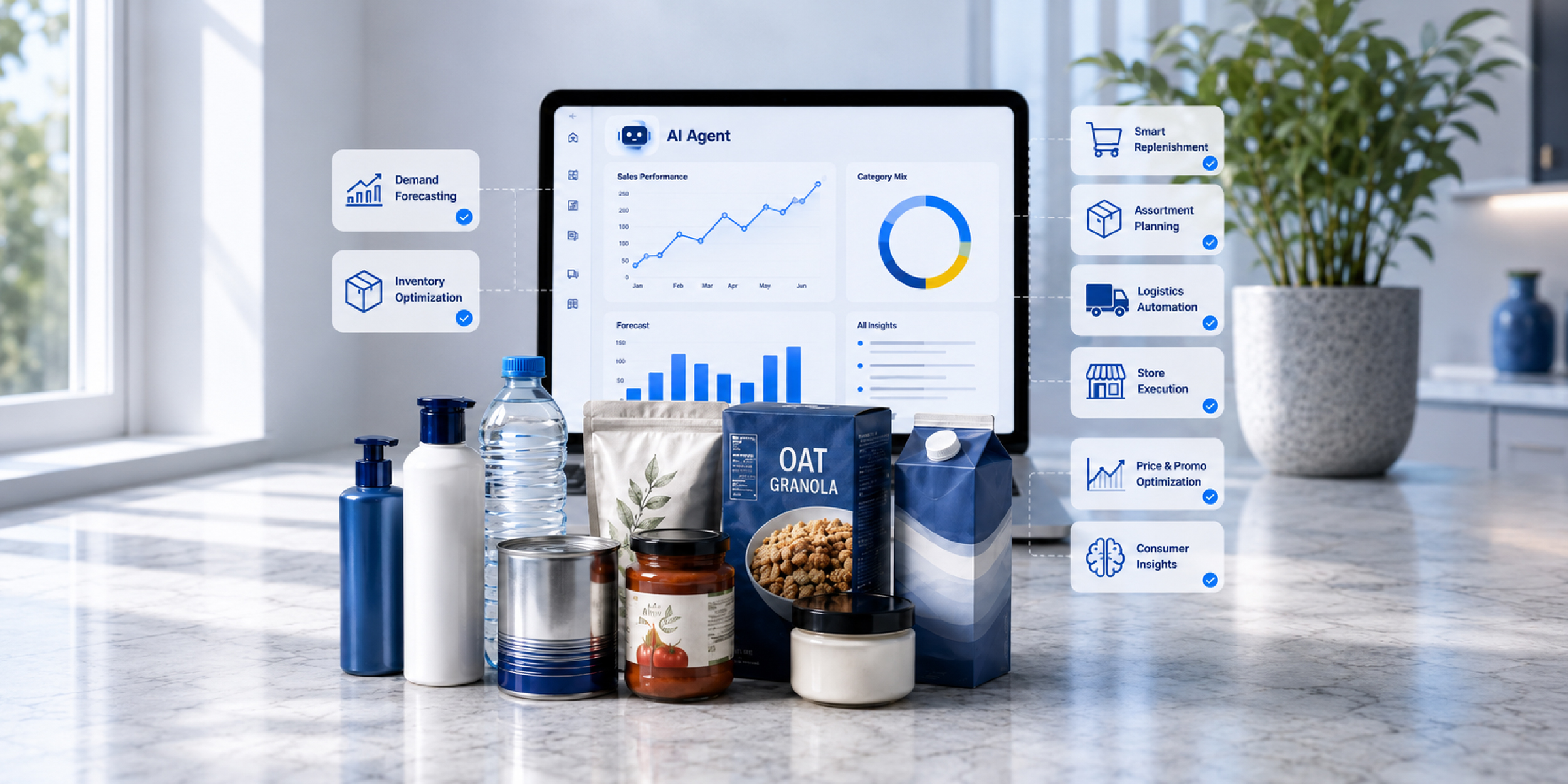
Read the most impactful use cases of AI agents in the CPG
Read Blog
Everything independent contractors need to know to keep accurate financials.
Read BlogInternal controls are important for financial reporting because they ensure that the financial information is correct. They reduce the risk of material misstatements, fraud, and reporting errors.
Staff augmentation improves scalability as internal controls teams can quickly scale their workforce when the need arises. For instance, during audits, compliance reviews, or regulatory deadlines. When the workload decreases, they can reduce staffing levels. This also helps in saving costs.
With EA’s deep understanding of the U.S. market and culture, you get highly engaged members working as an extension of your team.
You benefit from a team that understands internal control frameworks (ICFRs) based on COSO guidelines, financial reporting risk assessment, and regulatory compliance, ensuring the execution of best practices.
Identify gaps and weaknesses in existing processes and implement practical improvements that reduce errors, fraud, and operational risk.
Our experienced team ensures transparency, strengthens internal controls, and identifies risks, helping you maintain compliance and improve efficiency.
We provide clear, data-driven findings and actionable recommendations to strengthen controls, support informed decisions, and drive continuous improvement.
Our internal control support services go beyond SOX compliance by improving operational efficiency, financial visibility, and strengthening governance across the organization.
Enhance oversight, documentation, and reporting to build trust with leadership, auditors, and stakeholders.
Proactively address regulatory requirements and risk exposures, helping organizations stay compliant and audit-ready at all times.
The focus of internal control testing and SOX compliance has shifted from quarterly or annual audits to continuous, automated monitoring of controls.
Per practitioners on forums, there is extensive use of tools to automatically test key controls, monitor exceptions in real time, and create audit trails without manual sampling.
This minimizes remediation cycles, enhances reliability of control, and promotes expedited and more open SOX reporting – compliance not in the form of a periodical checklist, but in the form of an assurance.
Outsourcing accounting services is becoming more popular among companies to enhance SOX compliance by providing standardized control documentation, automated testing support, and audit evidence preparation.
Finance and compliance specialists in forums note that internal teams lack the bandwidth to maintain up-to-date control matrices, test scripts, and exception logs.
BPO partners assist in maintaining central control libraries, running control testing cycles, creating audit-ready evidence, mitigating SOX gaps, and simplifying compliance cycles.
Although many organizations are investing in SOX technology and GRC systems to facilitate compliance, some very active discussion threads on audit and compliance forums also note that true continuous automation remains elusive.
According to surveys, 74% of companies are interested in automating additional SOX work, as manual testing and documentation remain the norm, and many teams are taking longer to comply despite new tools.
Automation of control, artificial intelligence, and machine learning, combined with monitoring, are a higher priority but cannot be implemented in practice due to their complexity, skill requirements, and governance constraints.
IT general controls (ITGC), application security, and cybersecurity practices are increasingly falling under the scope of internal controls and SOX compliance.
Practitioners are reporting on audit and accounting forums that access management, change control, and cloud configuration are among the SOX work that auditors are undertaking.
This indicates growing recognition that technology poses a direct threat to financial reporting integrity and that control structures are expanding to include broader IT and cybersecurity controls alongside conventional finance processes.