Skip to content
Accounting
Audit
Planning & Analysis
Process Solutions
Operations


Expertise Accelerated leverages its global talent pool to deliver experienced professionals who strengthen demand and supply planning.
Let us help improve forecast accuracy while optimizing working capital, manufacturing costs, and inventory holding costs.


Our Client Portfolio








Results-oriented
Robust demand and supply planning helps companies protect their margins and customer trust.
Expertise Accelerated provides experts who excel in following best industry practices, strong processes, and cross-functional collaboration.
Partner with us today to strengthen planning, reduce risk, and protect your operations and brand.
Access Cost Effective Demand and Supply Planning Resources

US CPA Management Team
U.S. CPA-led teams delivering accurate, compliant, and reliable financial oversight.

Up to 60% Payroll Savings
Premium accounting services at significantly lower cost

U.S. Eastern Time Availability
Our accounting experts work U.S. Eastern Time, fully aligned with you.

QuickBooks & Xero Experts
Proven expertise in QuickBooks and Xero software.
Best
Our team will provide quality-focused demand and supply planning aid designed to enhance stages of growth.


Specialized Knowledge
Our teams enable accurate demand and supply planning while strengthening end-to-end planning processes.

Our demand and supply planning team assists in minimizing inventory losses, proper recognition of revenue and increasing vendor, POS and supply-chain controls to defend margins.
Read More
We assist in minimizing shrinkage of inventories, proper recognition of revenues and enhancing trade promotions, vendor and supply chain controls to guard margins.
Read More
Our Supply & Demand, and inventory management teams for manufacturing companies enhances cost visibility, improve inventory and procurement controls, and drive operational efficiency and quality compliance.
Read More
Our teams support supply and demand in e-commerce by safeguarding systems and data, improving the accuracy of payments and returns, and ensuring consistent revenue reporting across platforms.
Read More
Our supply and demand improve cash and payroll controls, manage food costs, ensure franchise compliance, and minimize theft across locations.
Read More
We assist with lease and regulatory ensuring that they are in compliance, rent roll and CAM balances are verified, and that there is enhanced controls over assets.
Read MoreExpertise in Accounting Software





Don't Just Take Our Word For It
Demand and Supply Planning Insights

What if you could spot a shrinking profit margin or growing cash
Read Blog
Hospitality vendor payment management helps hotels, restaurants, and multi-property groups control invoices,
Read Blog
Trade promotion ROI helps CPG finance teams measure sales lift, trade spend
Read Blog
Construction job costing mistakes hide cost overruns, distort project margins, delay cash
Read Blog
Energy cost tracking helps energy companies improve cost visibility, cash flow planning,
Read Blog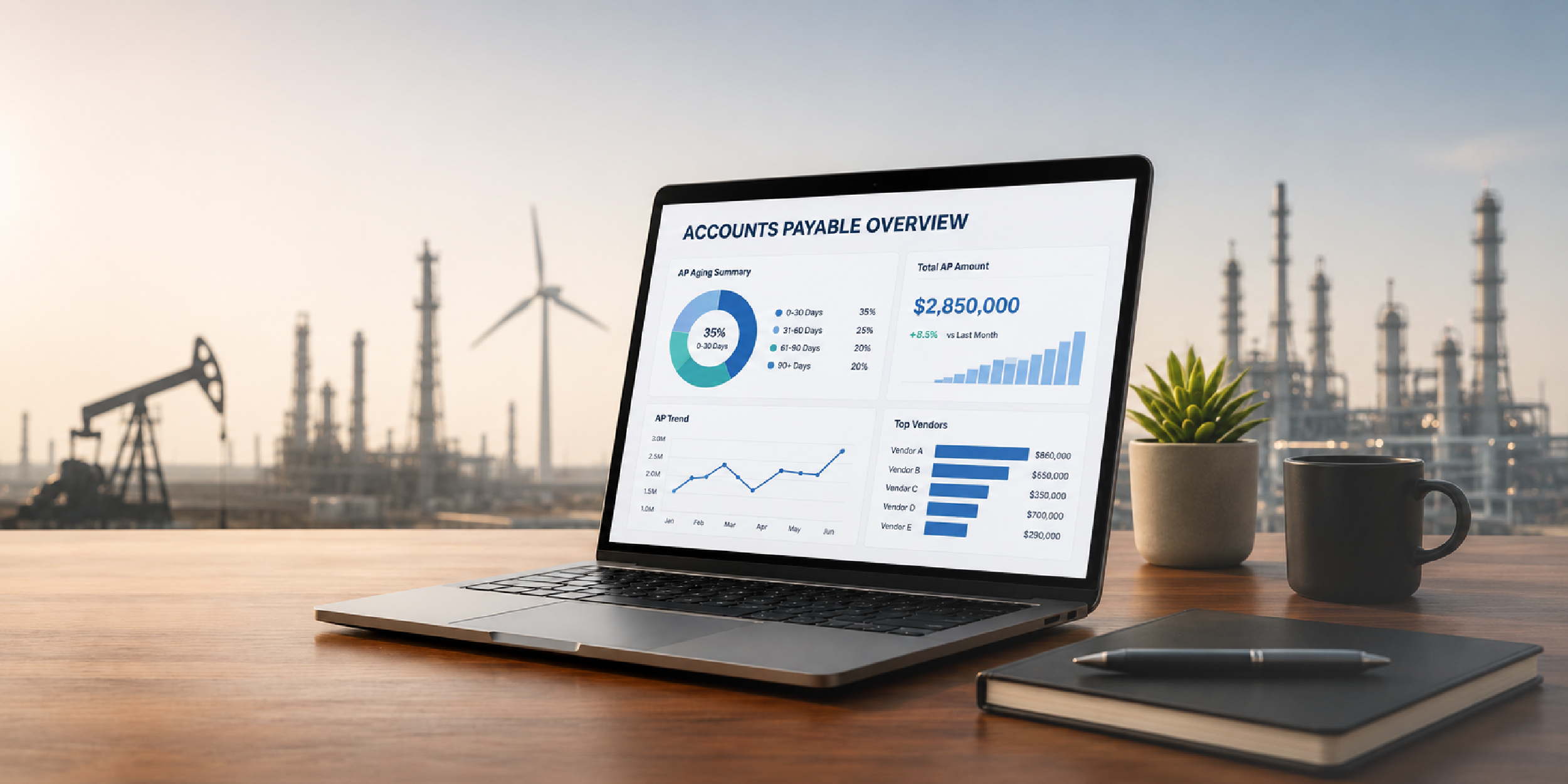
Find practical solutions to accounts payable problems in energy companies.
Read Blog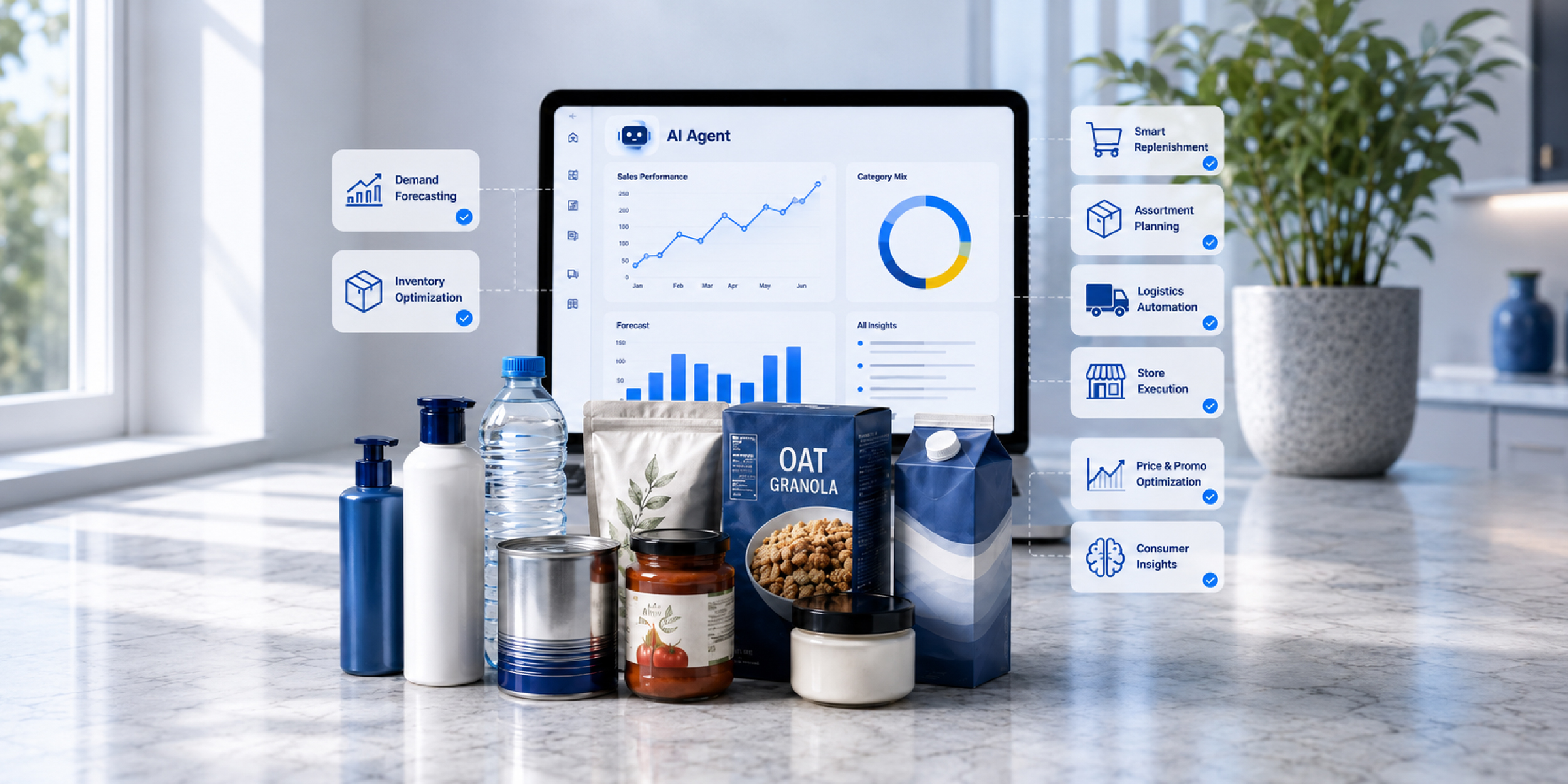
Read the most impactful use cases of AI agents in the CPG
Read Blog
Everything independent contractors need to know to keep accurate financials.
Read BlogDemand and supply planning is a strategy that involves forecasting customer demand, and availability of right product, inventory and resources required to satisfy this demand.
Demand planning is the process of predicting future customer demand using past data, market trends, and sales information and supply planning is the process of ensuring that there is inventory, material and capacity to produce the product to meet the demand.
The global resources of EA are applicable in retail and wholesale, manufacturing, consumer packaged goods, e-commerce, restaurants, and the real estate.
Our team has a wealth of experience in U.S. supply chain operations, which enables us to make accurate demand forecasting and planning to meet industry-related trends.
Identify gaps and weaknesses in existing processes and implement practical improvements that reduce errors, fraud, and operational risk.
Among other things, we aid businesses to hold optimum stocks, reduce overstock and stockout, as well as, to deliver products at the correct time and location.
Provide transparent and data-driven results, risk awareness, and suggestions that can be used to make well-informed decisions that can seek constant improvement.
We provide analytics and insights of demand trends, Supplier performance, and logistics and efficiency in real-time and improved business decisions are made faster.
Our experts are more efficient in improving the visibility of the whole supply chain, and business organizations can now track materials, shipments, and production process in real time.
Focused monitoring to document and report in order to gain the confidence of the leadership, auditors and stakeholders.
We will help to identify the potential supply failures, regulatory risk, and demand dynamics to ensure that business enterprises are ready to overcome the risk and guarantee that the industry standards are achieved.
A new trend is that, more planners are increasingly turning to demand sensing, where sales, point-of-sale, and supply information are obtained in real-time rather than just relying on historical monthly projections.
Such approach assists companies in reacting faster to the changes in the markets, minimizing errors in forecasting and streamlining the supply plans in the changing retail and e-commerce environments.
Businesses are also resorting to the BPO accounting partners to manage intricate demand and supply reports, inventory value, and margin analysis in real time.
According to forum practitioners, externalizing transactional accounting (AP/AR, cost accounting, stock reconciliations) will enable internal groups to focus on the accuracy of demand forecasting, supply planning, and scenario modelling.
This change enhances responsiveness to market changes and enables faster compliance with financial and operational planning.
Predictive analytics and machine-learning insights are increasingly used by finance and supply chain professionals to bridge demand forecasting and cost accounting.
On forums, it has been shared that when predictive models are combined with accounting systems, practitioners can forecast upcoming stock deficits, margin risks, and cost variances before they occur, and relegate accounting to a rearview mirror reporting system.
Demand and supply accounting is being transferred from siloed reporting to joined-up planning across finance, operations, and supply chain teams.
Professionals observe that when accountants closely collaborate with planners on forecasts, cost models, and inventory strategies, better forecasts result, and data flow improves.
This cross-functional fit reduces stock discrepancies, improves margin visibility, and reduces cycle times. It makes financial planning more responsive to demand indicators and supply constraints.